
From an incredible garden built over a former industrial wasteland to tours of iron mines and a blast furnace turned work of art: the Val de Fensch is home to a never-ending supply of surprises. Looking for ideas for things to see and do in one, two or three days in the Val de Fensch? Need help deciding where to go and what to see? Open to hearing what we consider to be unmissable highlights? Visitors looking to explore or rediscover our beautiful valley, this guide is for you. Read more about our top picks and highlights, and fall in love with the Val de Fensch.
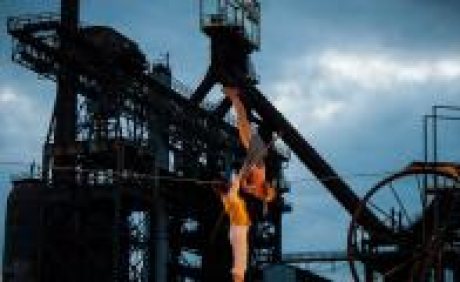
A symbol of the Vallée de la Fensch's industrial past and protected thanks to its listed status on France's inventory of historic monuments
The Parc du Haut-Fourneau U4 is the last remaining blast furnace of the original six that were part of the foundry built in 1890. Today, it is one of France's rare few monuments to the early 20th century's metal-working industry. Now 25 years after the forge shut its gates for the last time, it is a centre of heritage and culture.
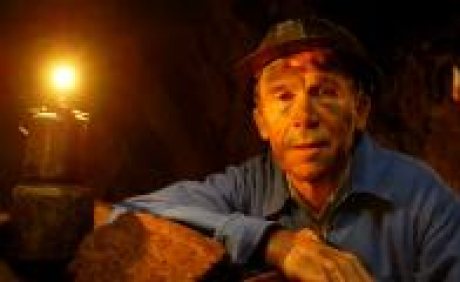
Steeped in history, Neufchef's mining museum is an invitation to travel back in time and discover the world of iron ore mining in real iron mines used 200 years ago.
Ex-miners take you on a guided tour deep underground, where you'll spend a kilometre travelling 150 years back in time to learn more about the iron miners of the past and Lorraine's mining industry.
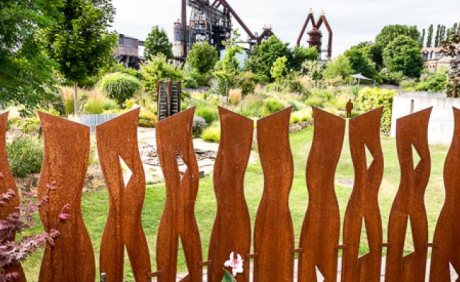
Creating a remarkable garden on a former industrial wasteland seemed like an impossible dream.
Built on hostile land at the foot of the Parc du Haut-Fourneau U4, the Jardin des Traces encompasses four hectares of land and is home to a collection of unique atmospheres. This incredible feat of landscaping prowess earned the garden its place on the cross-border list of Jardins sans Limites ('Gardens Without Borders').
Better known for its mines, the Val de Fensch is also home to beautiful, peaceful countryside just waiting to be explored.
The plateau of the heights of Algrange - Nilvange and the Côtes de Ranguevaux, where the chalky soil allows water to seep through, is made up of poor, dry soil: ideal conditions for chalk grasslands to develop.
Two discovery trails measuring 5 km and 3 km respectively are dotted with boards that provide members of the public with information on these protected natural spaces.